In recent centuries, the economic growth built by extracting resources from our natural systems has been mainly in the form of fossil fuels. Continual growth, relying on the accumulation of capital and the extraction of profit, is impossible on a finite planet with finite resources.[1]Extractive fossil capitalism has caused serious damage to the ecosystem and caused huge economic and environmental inequality.
How to release economic and environmental justice for everyone through the construction of community wealth?
"Our economy is not working well for people, places or the planet. Wages are low and work is insecure. Poverty is on the rise. Inequality between rich and poor is growing. Our fossil fuel based economy is threatening the planet.
But there is no shortage of wealth. The world's 8 richest men have as much money as the poorest 50% of the planet's population, and in the UK the 5 richest families own more wealth than the 13 million people. We have a wealth problem.
Community wealth building is a people-centred approach to local economic development. It reorganises local economies to be fairer. It stops wealth flowing out of our communities, towns and cities. Instead, it places control of this wealth into the hands of local people, communities, businesses and organisations."
By Centre for Local Economic Strategies (CLES)
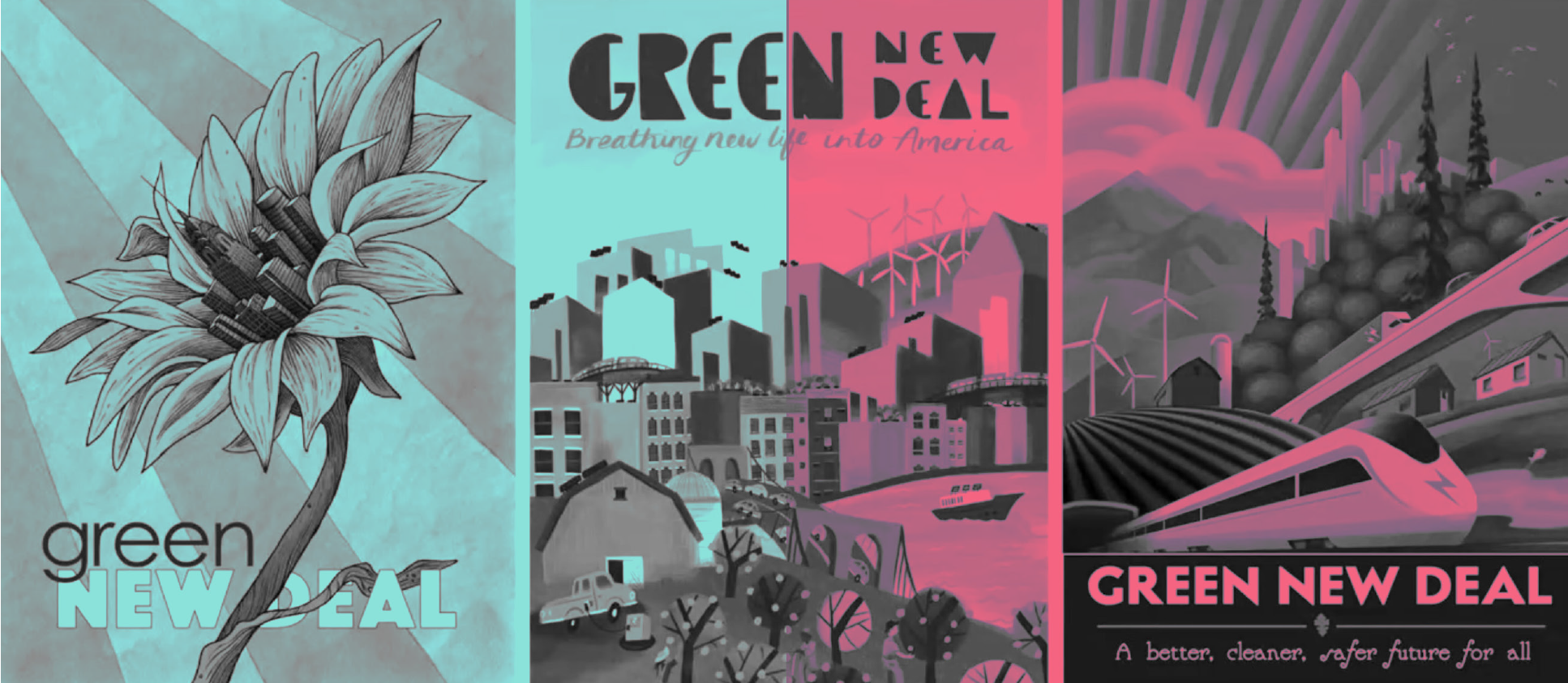
" The Green New Deal has the potential to be much more than a programme of centralised economic planning. With effective Community Wealth Building policy, a just transition can help to empower the towns and villages of the UK, offering economic autonomy and stability for local communities."
By Common Wealth
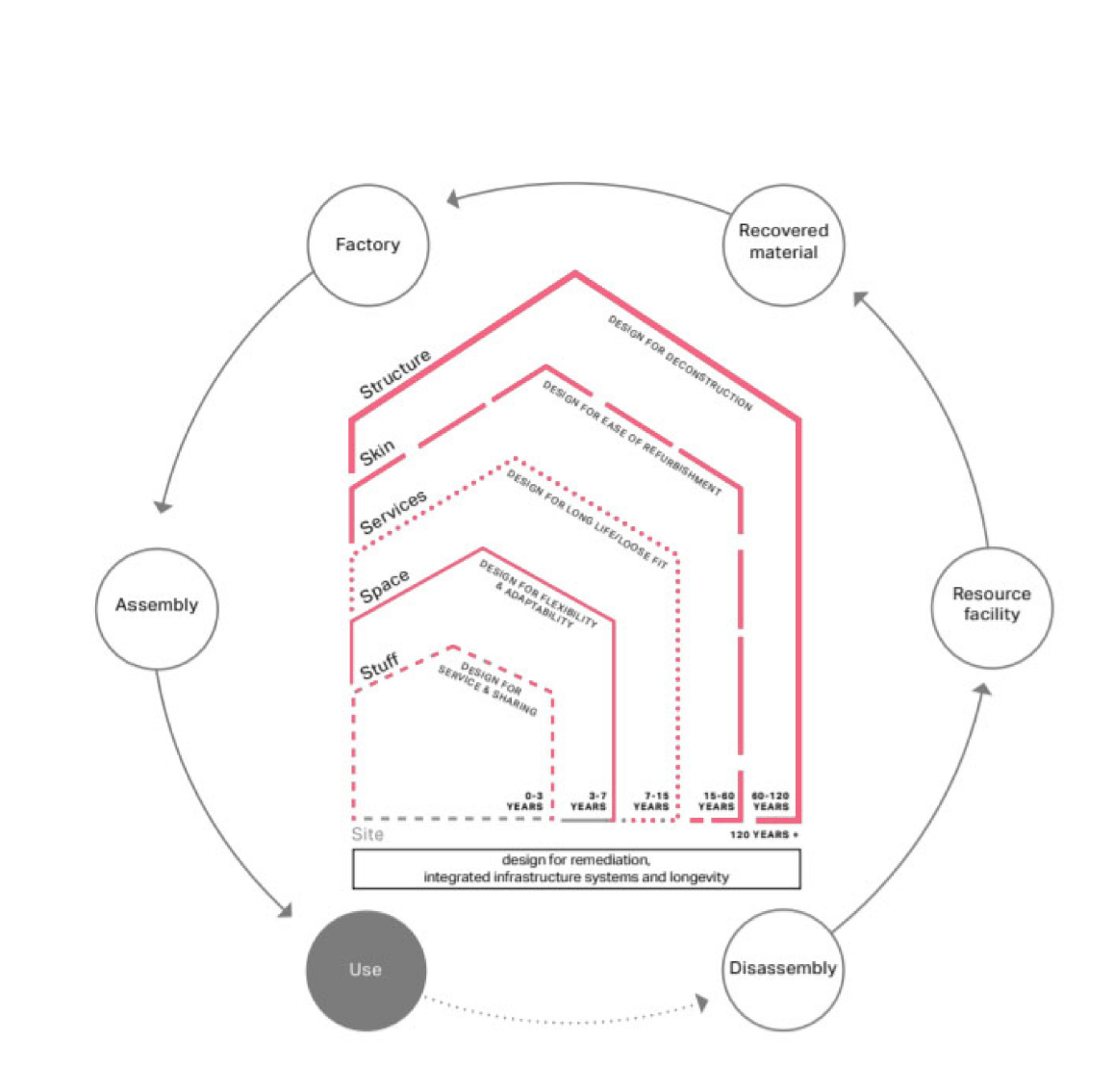
With the decline of traditional industries based on fossil fuels, many environmental, economic and social inequities and injustices have arisen in our communities. In short, all of this is threatening our planet and our communities, and our communities have a collective wealth problem. What would a green and broadly beneficial economy for communities look like? In the article of Getting the circulation going, Kiser states, “In linear economics, objects of desire from skyscrapers to paperclips are waste waiting to happen. Now, linearity is reaching the end of the line: designers are looking to the loop and redefining refuse as resource.”1 This economic model is known as the circular economy. Our research will speculate the possibilities of Community Wealth Building policies in the Green New Deal from the perspective of concrete waste reuse. Our goal is to turn waste into wealth!